Warning: Late repayment can cause you serious money problems. For help, go to MyMoney.gov. We are a broker, NOT a lender.

Warning: Late repayment can cause you serious money problems. For help, go to MyMoney.gov. We are a broker, NOT a lender.
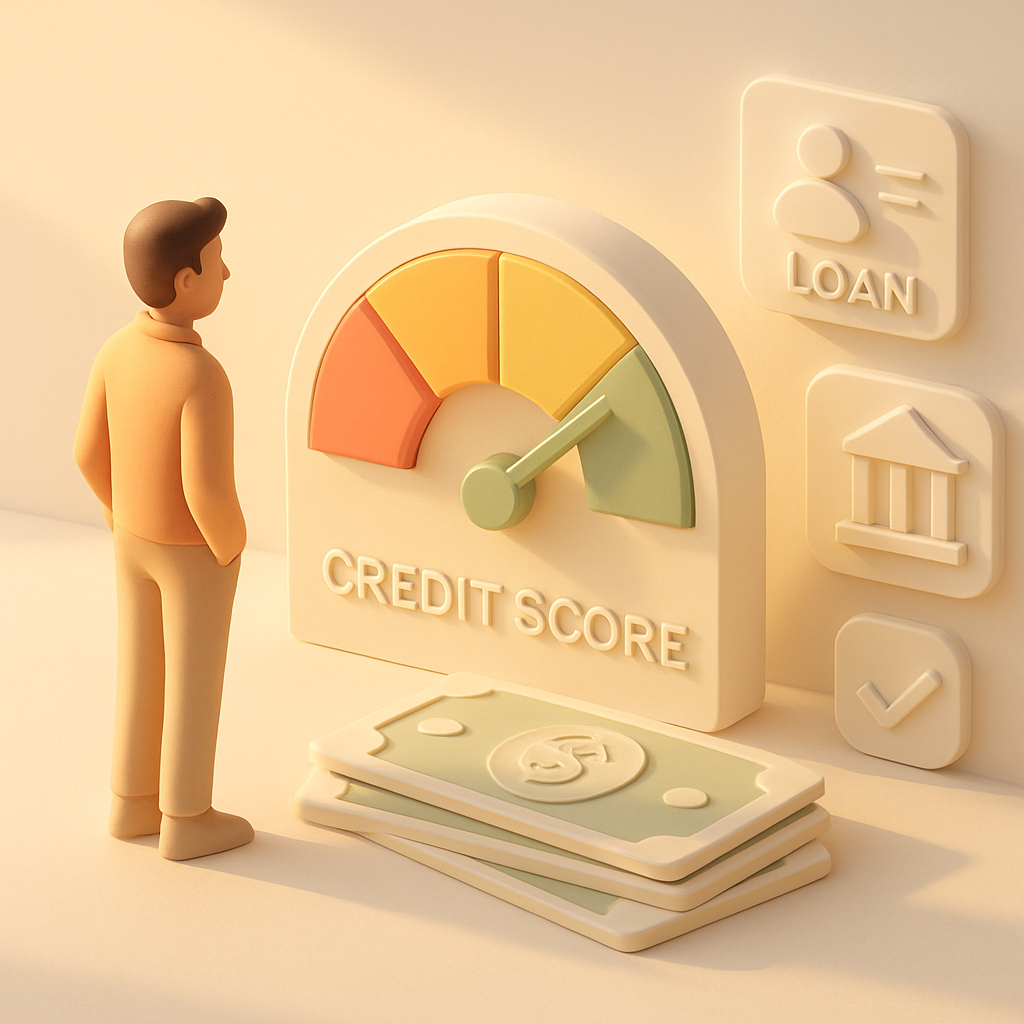
Whether you're planning to consolidate debt, fund home improvements, or cover unexpected expenses, a personal loan can be a helpful financial tool. But before applying, it's important to understand the link between your credit score and personal loan eligibility.
Your credit score plays a key role in determining if you'll be approved for a loan, how much you can borrow, and the interest rate you’ll pay. This article breaks down what you need to know about your credit score, how it affects personal loans, and tips to improve your chances of approval.
A credit score is a three-digit number that reflects how responsibly you manage credit. In the United States, the most commonly used credit scoring models are:
These scores typically range from 300 to 850, with higher scores indicating stronger credit history. Lenders use these scores to assess the risk of lending money to a borrower.
You can check your credit score for free through Credit Karma, Annual Credit Report, or directly with your credit card issuer or bank.
For a breakdown of credit scoring models, see Experian’s credit education center.
Understanding your score range helps you predict how lenders will view your application. While the ranges can vary slightly by model, they generally fall into the following categories:
The higher your score, the more likely you are to receive better loan terms such as lower interest rates, larger loan amounts, and faster approvals.
There’s no universal minimum score for a personal loan, but many lenders look for a score of at least 600 to 640. That said, some online lenders and credit unions may work with borrowers who have lower scores, depending on other financial factors.
You may be eligible for the most competitive personal loan rates if your credit score is in the 700s or above. However, if your score is in the fair or poor range, you may still qualify for a loan with:
To compare your options, visit NerdWallet for lender reviews and tools that help you find loans based on your credit score.
While this article focuses on personal loans, it's worth noting that credit score also plays a major role in mortgage lending. According to Money Under 30, the following scores are typically needed to qualify for home loans:
A score above 700 gives you access to the best mortgage interest rates and terms.
This is important because building credit through small loans today can help you achieve bigger goals like homeownership later.
Here’s how your credit score directly affects personal loan decisions:
Higher scores lead to higher chances of approval. A low score doesn’t mean automatic rejection, but it could mean fewer options.
A high credit score signals that you’re a low-risk borrower, which results in lower annual percentage rates (APR). A lower score often means higher interest to offset the lender's risk.
With better credit, you may qualify for larger loan amounts because lenders trust your repayment ability.
Your score can also impact the length of the loan term available to you. Higher scores may allow for longer repayment terms with lower monthly payments.
While your score is a major factor, lenders also evaluate:
For example, someone with a 680 score but low debt and high income may be more attractive than someone with a 720 score and high revolving debt.
For a deeper dive into what affects loan approval, see this helpful guide from Investopedia.
If your score is holding you back from qualifying for the best personal loan, there are steps you can take to improve it:
To learn more, visit The College Investor, a finance blog that offers tips for improving credit and managing debt.
Now that you understand how credit score and personal loan applications are connected, it helps to know when taking out a loan is the right move. Consider using a personal loan if you:
If you qualify for a loan with favorable terms and a predictable monthly payment, it can be a smart financial tool.
Can I get a personal loan with bad credit?
Yes, some lenders specialize in bad credit loans, though rates will be higher.
Does checking my credit score lower it?
No, checking your own credit is a soft inquiry and does not affect your score.
What is a good credit score to buy a house?
Most lenders look for a score of at least 620, but 700 and above is ideal for best rates.
Is my credit score the only thing lenders care about?
No, they also consider your income, employment, and existing debts.
Will a personal loan help my credit score?
If used responsibly, yes. Making consistent on-time payments helps build your credit history.
Your credit score and personal loan options are closely tied together. A strong score gives you better access to funding, while a weaker score can still offer solutions with the right lender or credit union.
Start by checking your score, reviewing your financial profile, and comparing offers from multiple lenders. Whether you’re planning a major purchase or managing existing debt, your credit score is a powerful tool that can either unlock affordable borrowing or present roadblocks.
Take time to improve your score where possible, and always read the terms carefully before accepting a loan.

Credit Results is a trading style of Fort Media LLC, a company incorporated in the United States.
Principal Office Address: 7345 W Sand Lake Rd, Ste 210, Off 7688, Orlando, FL 32819.
Registered Office Address: Resident Agents Inc, 8 The Green, Ste R, Dover, DE 19901.
Fort Media LLC operates as a credit broker, not a lender. We do not charge customers a fee for using our services but may receive a commission from lenders or other brokers if a customer enters into a consumer credit agreement following an introduction through our platform. We work with a selected panel of lenders and brokers to offer a variety of credit and loan products.
When you apply for a loan through us, the lender will provide you with all relevant information about interest and associated charges. Please note that the lender or broker we refer you to may not offer the cheapest loan available for your specific needs.
Loans are available to individuals aged 18 or over and are subject to status and affordability checks. While many applications are processed online, certain circumstances may require lenders to contact you directly.
By using our services, you agree that all communications will be in English.